
More than half of young people (55%) have been bullied about the way they look. That figure comes from YMCA's In Your Face research, which asked more than 1,000 young people aged 11 to 16 about their experiences. Most of that bullying focuses on weight and body shape, and 80% of those bullied about their appearance say it happens at school or college.
The can have a far-reaching and long-lasting impact. Of the young people bullied about their appearance, 60% tried to change the way they look, and 24% reduced the amount they ate or went on a diet.
That's why body respect is an anti-bullying issue.
Anti-Bullying Week 2026: Break the Silence
This week (16th to 20th November) is Anti-Bullying Week with the Anti-Bullying Alliance, of which we're a proud core member. This year's theme is Break the Silence: creating spaces where children and young people feel safe to speak, and are heard when they do.
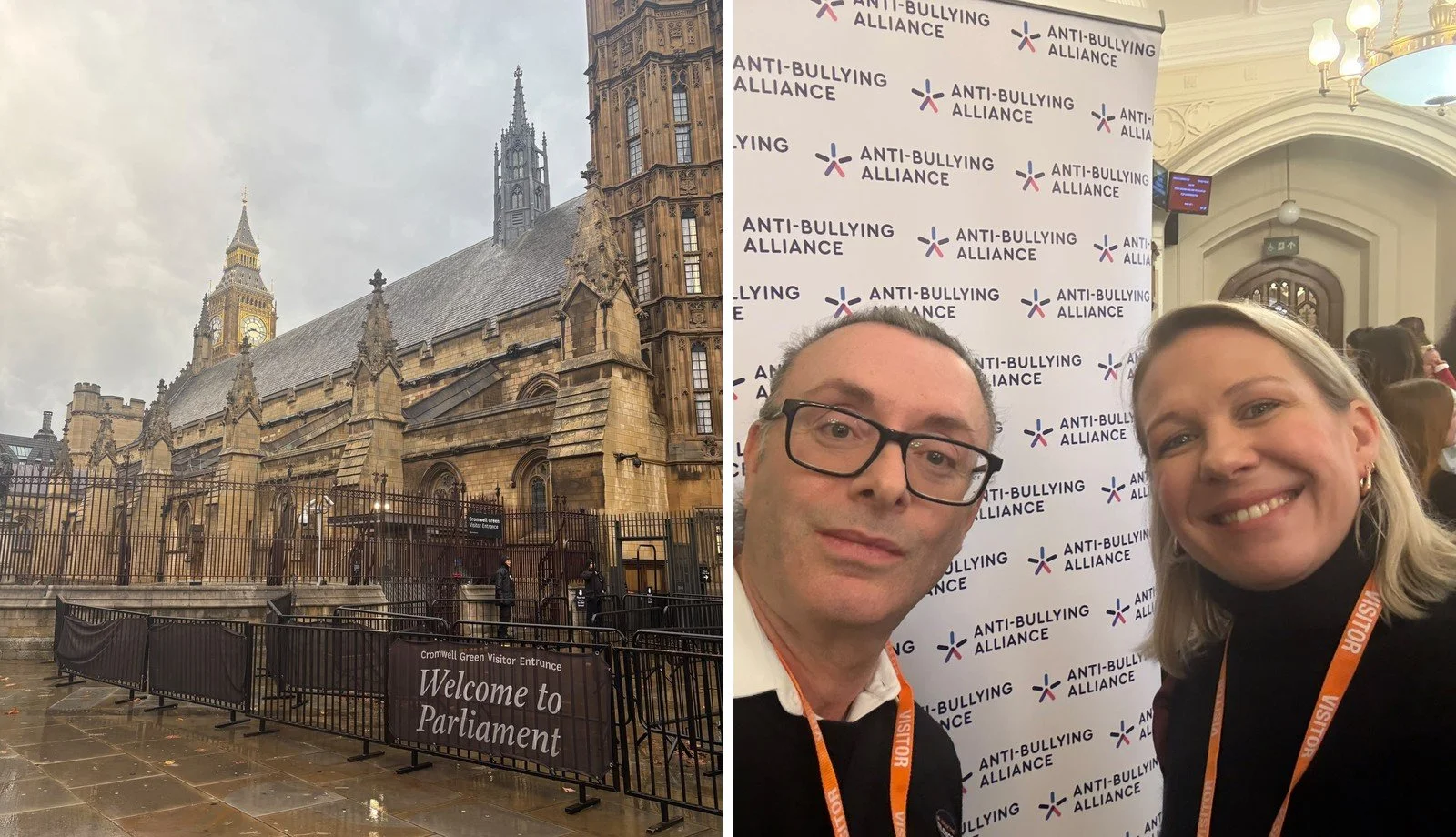
This morning our Operations and Programming Lead, Therese, joined the Anti-Bullying Alliance for their Anti-Bullying Week breakfast in the Churchill at the House of Commons, introduced by Josh Dean MP.
Young people chaired the event, and schools shared their experiences and perspectives on bullying prevention. The Anti-Bullying Alliance shared the impact of Anti-Bullying Week and Odd Socks Day, which is ten years old this year (last year more than 8 million children took part). They also announced the winners of this year's School Staff Awards, which celebrate teachers and school staff who have gone above and beyond to prevent and respond to bullying, as nominated by pupils.
As core members of the Alliance, we're proud to be part of that work, and to make sure body respect is part of the conversation about how schools prevent bullying.
Why body respect is an anti-bullying issue
We see body respect as a “we issue, not a me issue”. It's something a whole school builds together, through the language we use and the culture we create.
Building that culture is one of the ways schools can tackle appearance-based bullying before it starts.
Conversation is at the heart of it. In our workshops we favour discussion over fixed rules, so children can question, disagree and reach their own conclusions. That's how body respect becomes part of everyday school life and a school's culture over time.
Young people leading the way
Our peer advocacy programme puts young people at the heart of building body respect in their school.
Peer advocates start by imagining the culture they want to create. In a starter session at one of the schools we're working with now, we asked: what would a Body Happy school feel like? One student wrote:
"People would be happier and feel safer. People would get out more and be okay with who they are. People would love themselves."
From there, peer advocates identify the barriers to body respect in their setting, and come up with action-orientated solutions mapped to the problems they've identified.
At the start of the programme in one of our pilot schools, peer advocates named the problems they see: fat shaming, name calling, making fun of disability, making fun of what people can afford, and people writing horrible things on toilet walls.
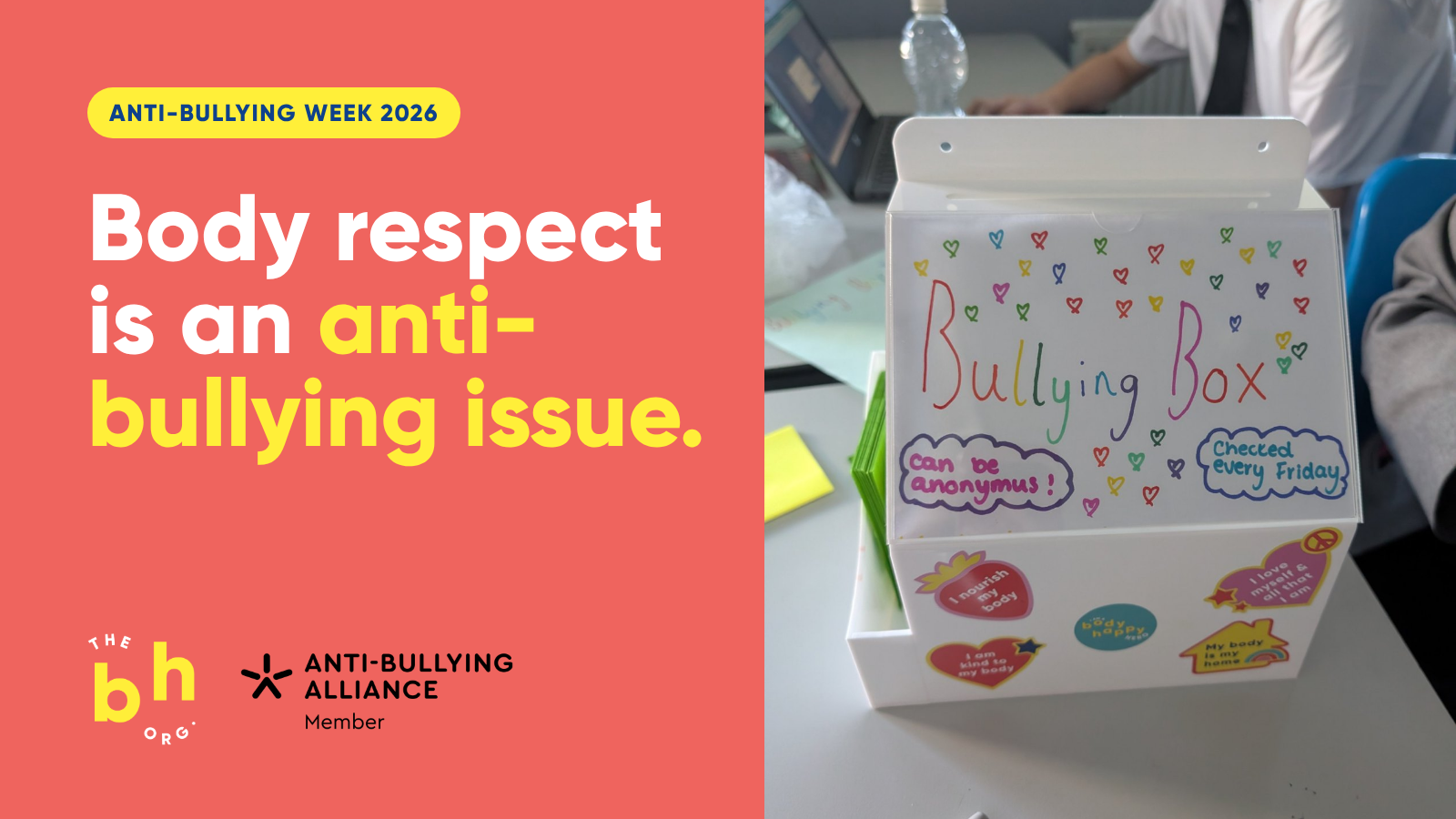
The Anti-Bullying Alliance's theme for today, #TalkItOutTuesday, asks why young people may not feel able to speak up about bullying. Those peer advocates designed their own answer: a Bullying Box for anyone worried about bullying who feels too scared to talk to a teacher. Notes can be anonymous, and the box is checked every Friday.
The Bullying Box was one part of it. Our peer advocates also co-facilitated workshops for Years 7 to 9, led tutor sessions, made posters, designed assemblies and helped prompt a review of the school's uniform policy.
Keeping the conversation going
We know leading conversations about body image can feel daunting for staff. The worry of saying the wrong thing, or of losing control of the discussion, comes up a lot.
That's why this afternoon we're running a bonus online CPD session for Anti-Bullying Week: Body Respect: Keeping the Conversation Going, led by our facilitator Emma Leeson. Drawing on Philosophy for Children (P4C), the session covers:
setting up the conditions for a good conversation, including group agreements based on respect, kindness and empathy
four simple questions that keep a discussion going without steering it
open questions similar to those we use with pupils
Everyone leaves with one classroom activity to try the next day.
When: today, Tuesday 17 November, 3:45 to 4:30pm, on Zoom (the session will be recorded)
Who for: primary and secondary staff in any role
Cost: £20 per place. Free for schools that are doing or have done the Body Happy Schools Programme, and for all schools in North Northamptonshire (check your inbox for your code)
Book your place, or email hello@bodyhappyorg.com to check whether your school qualifies for a free place.
Building body respect in your school
The Body Happy Schools Programme is the UK's first whole-school body respect programme. We work with the whole school community over time: training for staff, workshops for students, curriculum resources including lessons and schemes of work, support for parents and carers, and a peer advocacy programme that puts young people at the heart of the project aims - to build classroom cultures of body respect.
If you'd like to talk about bringing body respect into your school's anti-bullying work, email us at hello@bodyhappyorg.com.