
Education meets Prevention
Working at the intersection of education, health and prevention
The Body Happy Organisation works with schools, families, communities and systems to build cultures of body respect - creating the conditions in which children and young people can grow up celebrating, respecting and accepting ALL bodies, especially their own.
That work is inherently cross-sector. It sits at the intersection of education, public health, safeguarding and community - and it requires collaboration at every level, from classrooms to policy rooms.
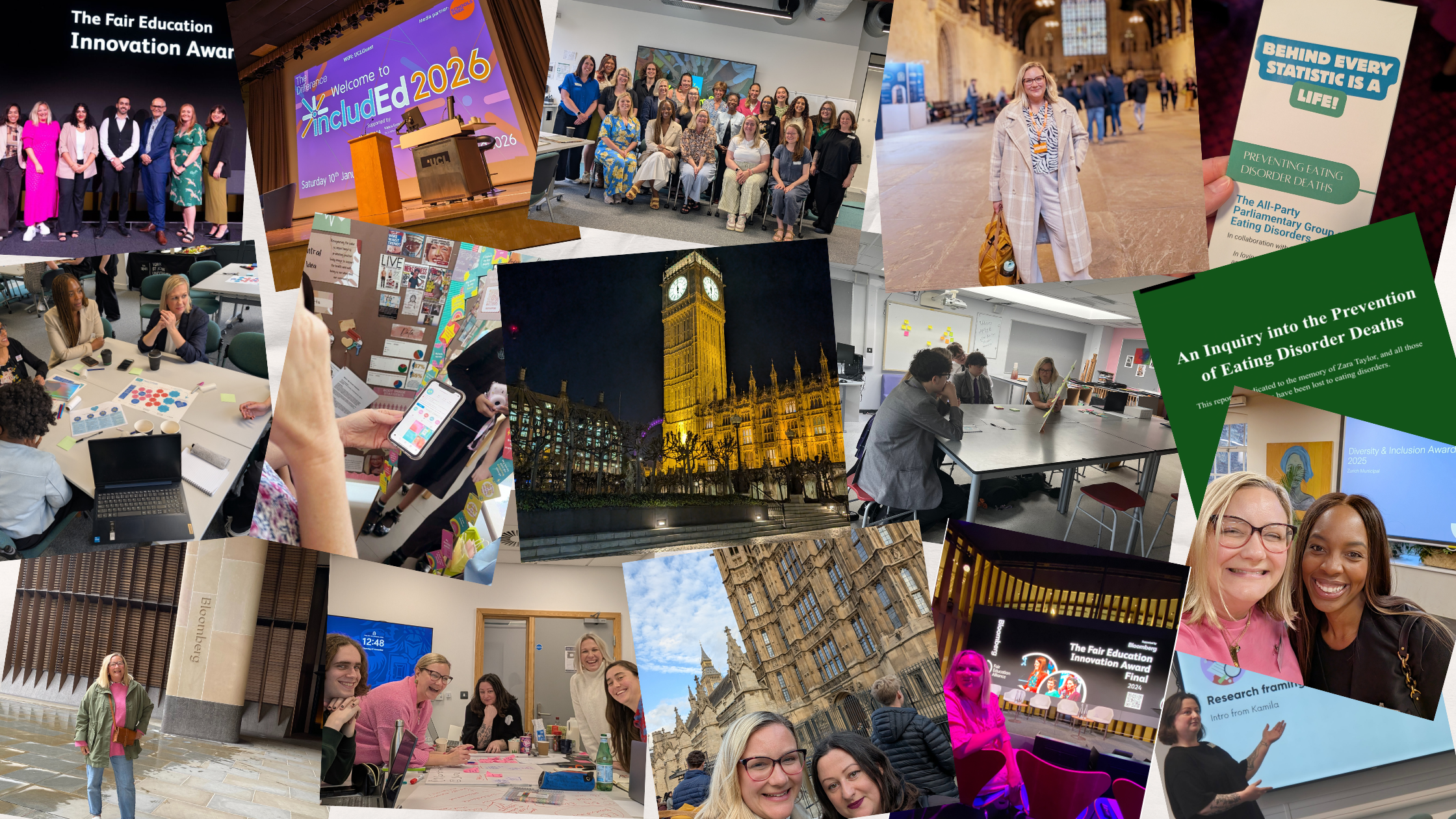
Our involvement with the All-Party Parliamentary Group on Eating Disorders is one expression of that. We contribute evidence and expertise, help connect education and health perspectives, and work to ensure that prevention is understood as the cultural and systemic challenge it actually is - not just a clinical one.
Our role in national policy conversations
We don't just deliver on the ground — we work to influence the systems and structures that shape what happens there.
That means contributing to national conversations about prevention, bringing an education lens to spaces that are often dominated by health and clinical perspectives, and advocating for approaches that are upstream, inclusive and evidence-informed.
We do this through active partnerships, expert working groups, and ongoing collaboration with organisations who share our commitment to long-term, systemic change.
Our work with the APPG on Eating Disorders
We are proud to support the work of the All-Party Parliamentary Group on Eating Disorders, guided the APPG Secretariat, Dump the Scales CIC.
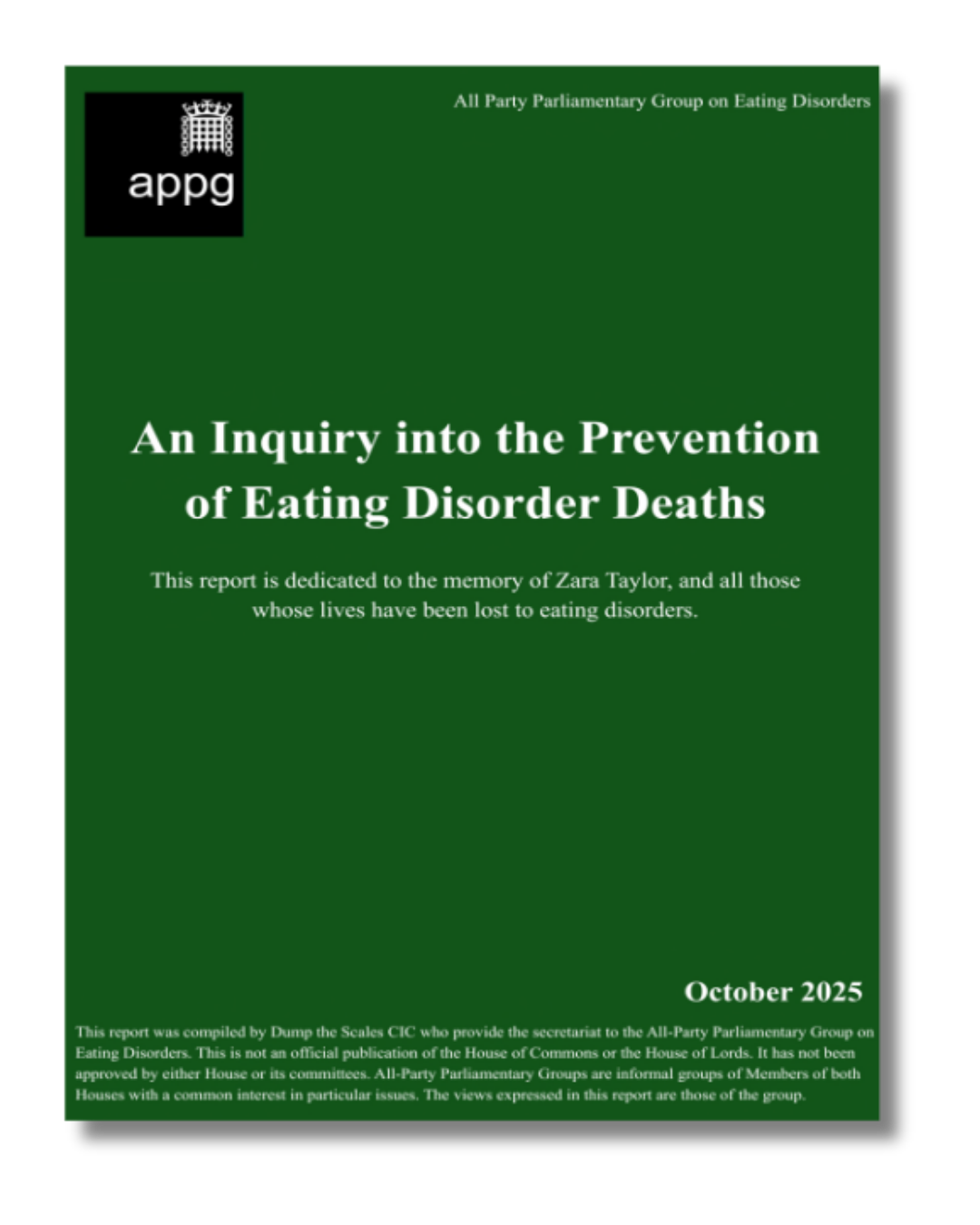
The APPG brings together MPs and Peers to drive meaningful change in prevention, treatment and support. Its most recent inquiry - An Inquiry into the Prevention of Eating Disorder Deaths - called for urgent investment in upstream, whole-system approaches rather than relying solely on crisis intervention once harm has already occurred.
We co-authored that report, and we continue to support the APPG's work - helping to ensure that education settings, and the children and young people within them, are represented in national prevention conversations.
Education Round Table - April 2026
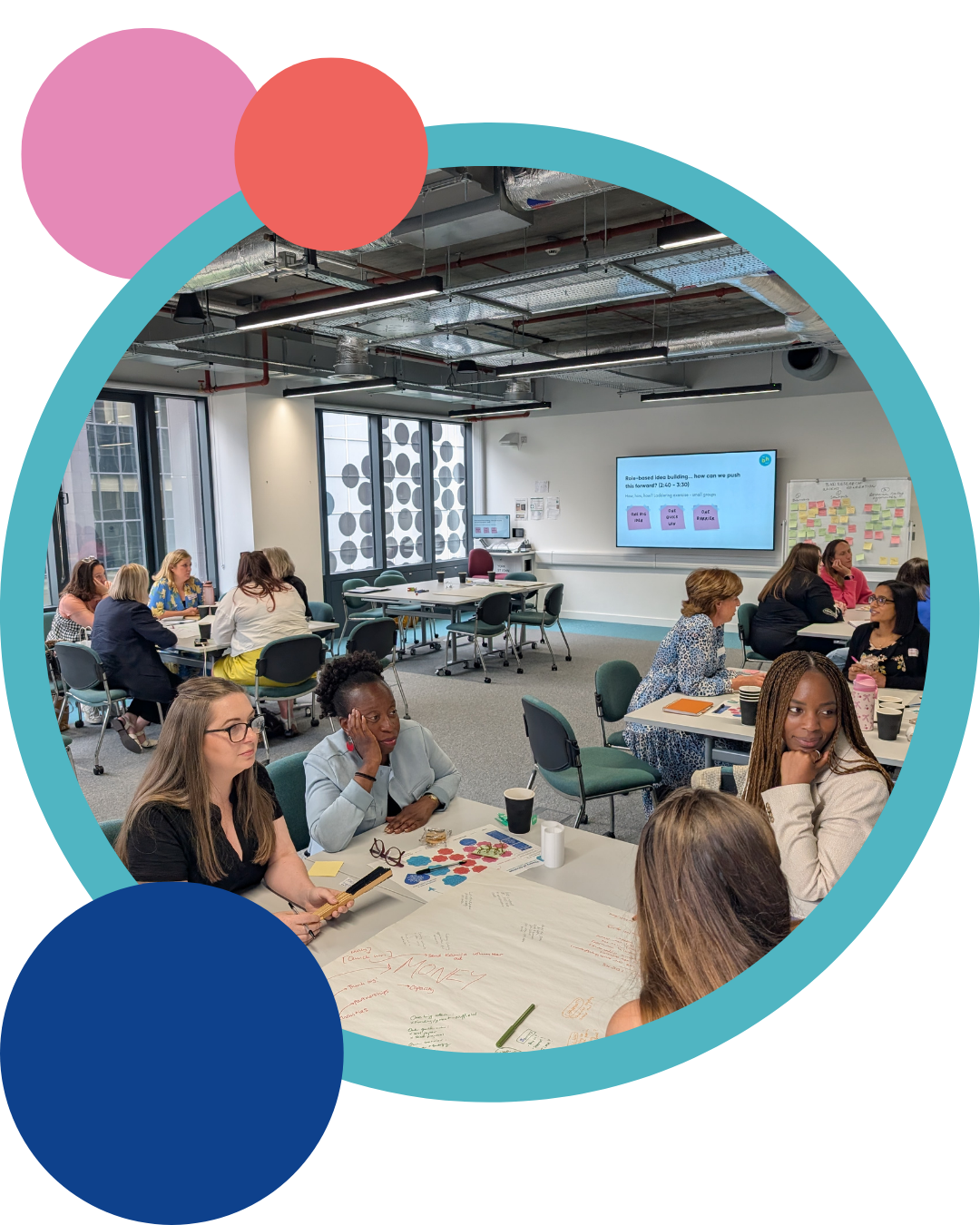
We are supporting the APPG on Eating Disorders in convening an Education Round Table at Westminster in April 2026, bringing together leading voices from health, education and research alongside MPs and people working on the ground.
We will be speaking on the day, and we're proud that a school, staff member and student from one of our pilot schools will also have a voice in the room.
Ahead of the round table, we are gathering lived experience from people whose time in education shaped - for better or worse - their relationship with their body and their sense of belonging.
Schools, colleges, universities and other learning settings play a powerful role in young people's lives. Policies, attitudes, curriculum choices and everyday practices can influence risk, support recovery, or sometimes unintentionally cause harm. We believe these stories matter and deserve to be heard.
We are inviting people with lived experience to share reflections on how education settings affected them, and the knock-on impact this had on their learning, wellbeing and future opportunities.
Your story might include:
How school or education environments, policies or practices contributed to risk, escalation or prevention
Ways education settings supported or impacted recovery
The impact on your educational experience, confidence, attendance, attainment or longer-term outcomes
You do not need to share specific details about your body or behaviours. We are particularly interested in the systems, cultures and responses within education and how these shaped your experience.
Stories can be shared anonymously, and you are welcome to share as much or as little as feels safe for you. By speaking up, you can help highlight what needs to change and what genuinely helps, so future generations are better supported.
Our wider policy and advocacy work
Our policy and advocacy activity doesn't sit in isolation. It connects directly to our research partnerships, our delivery in schools and communities, and our cross-sector collaborations.
Current areas of involvement include:
Centre for Digital Information Literacy in Schools
Molly Forbes, our Executive Director, sits on the Expert Working Group for the Centre for Digital Information Literacy in Schools, run by the National Institute of Teaching. This work recognises the growing impact of digital environments on children's wellbeing, identity and sense of belonging.
Anti-Bullying Alliance
We are core members of the Anti-Bullying Alliance, contributing to shared learning around bullying, stigma and inclusive school cultures.
Compassionate Approach Practice Group
We are members of the Compassionate Approach Practice Group, convened by Doncaster Council Public Health Team, meeting quarterly to contribute to cross-sector conversations about stigma, language and compassionate public health practice.
Dump the Scales
We are proud supporters of Dump the Scales CIC and the annual Dump the Scales March, which brings people together to call for meaningful action on eating disorder prevention.
Fair Education Alliance
We are proud winners of the Fair Education Alliance Innovation Award, recognising our contribution to equity-driven, preventative work in education. Like the FEA, we believe no child's success should be limited by their socioeconomic background - and that body respect is inseparable from that mission.
Working in partnership, not in isolation
We believe that no single organisation holds all the answers. Sustainable change happens when expertise is shared, evidence flows in both directions, and the people closest to the issue - including children, young people and educators - have a seat at the table.
If you are working in this space and would like to explore collaboration, we would love to hear from you.
