
A marathon task: why we must work together to create body respect in sport
On Sunday morning, more than 50,000 runners will run the London Marathon. They will come in every shape, every size and every age. Some will be chasing a personal best. Others will simply be chasing the finish line. It is a joyful but much-needed reminder that you don’t have to look a certain way to take part in sport.
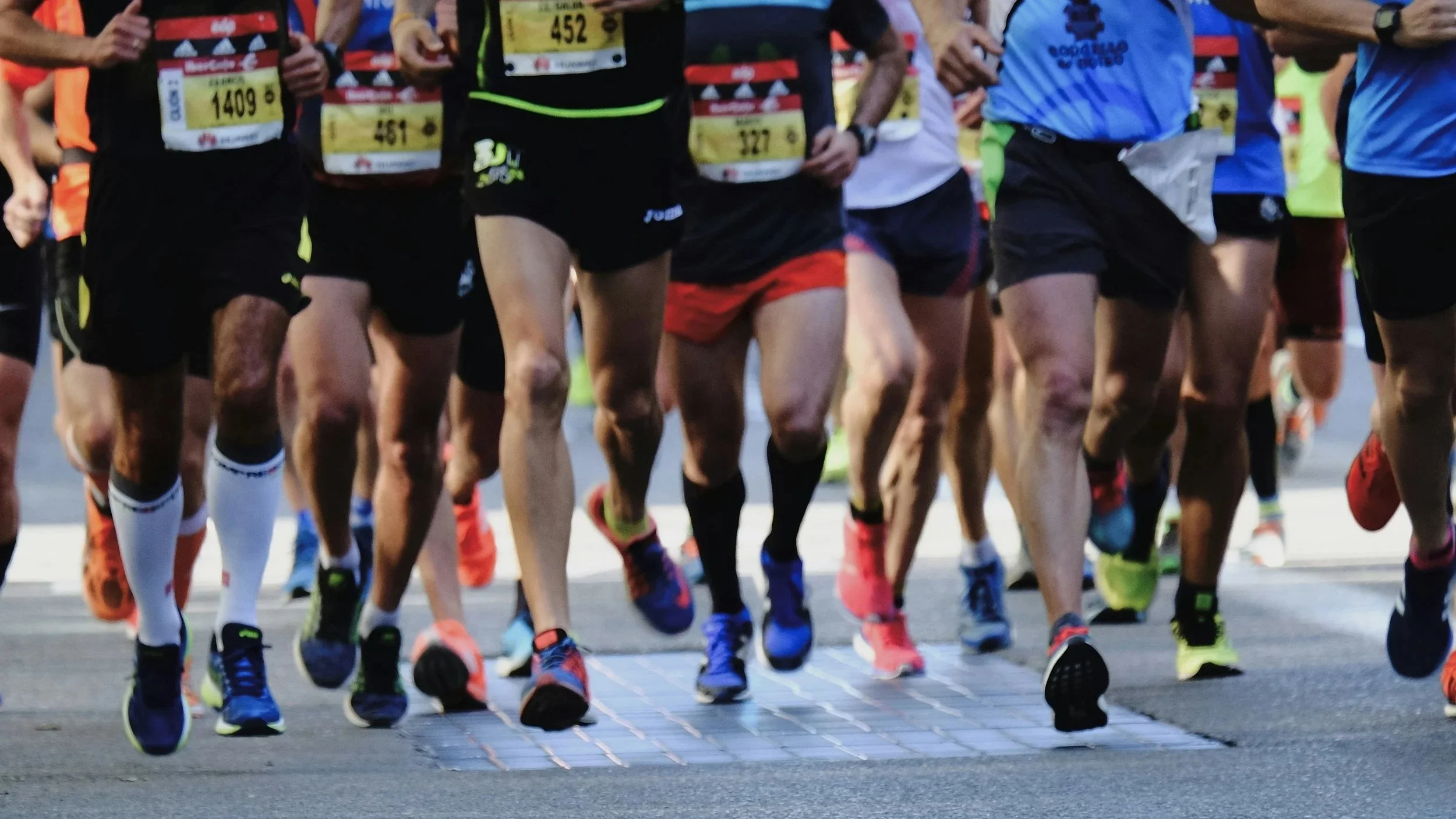
Unfortunately, we live in a culture that places enormous value on how bodies look - and it is doing real damage in our sports clubs, our gyms, our school changing rooms and on the start lines of events like this weekend's London Marathon.
The myth of the "sporty body"
Sport has a body image problem. For decades, the image of what an athlete looks like has been narrow, consistent and largely unquestioned. It's on the walls of leisure centres, in the kit catalogues, on television. And it sends a powerful message to anyone whose body doesn't match that image: this space might not be for you.
The consequences are wide-reaching. One in three children aged 11-16 say they have stopped participating in sport, social events or speaking up in class because of concerns about their appearance (Be Real Campaign, 2022). 36% of girls and 24% of boys regularly avoid PE or exercise due to body worries. They are the ones who “forgot their kit”, who drift to the edges of sessions, who simply stop coming.
For many of them, this isn’t a lack of motivation, it’s a belonging issue. And it doesn't end in childhood. Adults carry these experiences with them - not joining a running club because they don't look like a runner, not swimming because of anxiety about being seen in a swimsuit, not returning to a gym after a comment by a coach.
When sport makes it worse
At the other end of the spectrum, sport can sometimes amplify body image pressure. At elite level, weight targets, body composition assessments, comments from coaches about how an athlete looks rather than what they can do are not uncommon. More than a third of 143 respondents to a BBC survey sent to elite British sportswomen said they have experienced disordered eating.
Recreational athletes absorb the same messages. When exercise is framed as a tool to change how you look - to earn food, to burn calories, to shrink - the relationship with movement becomes one of punishment and control rather than joy and capability.
It's clear that the exercise space can be a place where body anxiety is reinforced. But it can also work the other way. Positive movement experiences can strengthen how young people feel about their bodies, building appreciation for what they can do rather than anxiety about how they look.
Changing the culture
But it shouldn’t be down to individuals to alter the way they feel about themselves. Everyone has a part to play in transforming the culture around sport to help build confidence, skill, community and belonging - rather than body shame, anxiety and exclusion.
“We teach children to cope with a culture rather than challenge it,” says Body Happy Org founder Molly Forbes. “That has to change. When we treat body respect as an individual issue, we place all the responsibility on the young people most affected - without changing any of the conditions around them. It's not a “me” issue. It's a “we” issue. That means every coach, teacher, club volunteer and event organiser becomes part of the solution. Everyone.”
Making sport more welcoming
At the Body Happy Org, we see the big difference that small changes can make in our work in schools. Just altering the way we talk, challenging unhelpful comments and trying to be more inclusive can have a massive impact on an individual’s experience. And whether you’re a parent, a teacher or a sports coach, there are things we can all do to build cultures of body respect in sport:
Think about how you talk about exercise: phrases like “work off your lunch” or “burn that energy” quietly frame movement as a tool to manage how bodies look.
Look at your environment: What is the exercise space saying about which bodies belong here?
Challenge changing room “banter”: Comments about bodies can be the difference between a young person coming back next week or not.
Use diverse role models: Make sure it’s not always the most conventionally sporty people who are most visible or valued.
Recognise all movement: Not every child will be an athlete but dancing, walking with friends and creative play all count.
Make kit and facilities genuinely inclusive: A child who cannot find kit that fits comfortably will simply not participate.
None of this requires a complete overhaul of how sport works. It requires attentiveness - to language, to environment, to who is visible, to who keeps showing up and who quietly stops. Body respect is not a separate agenda from what sport does. It is the condition that makes what sport does possible.
We were delighted to deliver a keynote speech and two workshops at the Northamptonshire Sport Conference on exactly this in April. It makes us so happy when sectors make space for body respect on their agendas, and when people who work with children and young people engage so brilliantly with this subject.
