
Pride in all bodies: body respect and the gender diverse population
To mark Pride Month, our PhD researcher Lulu Tacconelli talks about the unique challenges the trans and gender diverse population faces when it comes to body image, what we can all do to help and why this was a hard diary entry to write…
It’s Pride Month! And yes, this can be a time for celebration and openness, but it should also be a call to action to address the issues that matter most at this time. So, I think it’s important to recognise the impact that the experience of discrimination has on the body image of LGBTQIA+ people. In the context of Pride, this becomes even more crucial as the UK becomes an increasingly hostile place for LGBTQIA+ people. This is demonstrated by Stonewall’s ILGA Rainbow Map, which ranked the UK as the safest country in Europe for LGBTQIA+ people in 2015, but now ranks it in 22nd place. The reason for this massive drop in the rankings? Discrimination against transgender and gender diverse people.
Studies repeatedly show that gender diverse people experience great levels of unique and persistent mistreatment by society in education, healthcare, the workplace, in public and in their personal lives. This minority stress has also been shown to significantly impact their body image - after all, it is harder to accept and appreciate one’s own body if it is being legislated against or dehumanised by others. Additionally, the 2025 Supreme Court ruling on the definition of ‘sex’ can be seen to legitimise the discrimination that gender diverse people have increasingly faced.
A bit less welcome
“This opening was harder for me to write than I anticipated. I am myself a transgender person and every Pride Month it feels as though I’m a bit less welcome here in the UK than the year before. It has become harder for me to justify participating in my community or even existing as ‘visibly trans’ in public for fear of potentially violent backlash. But that’s not to say that I haven’t been doing anything about it.”
In early June, I attended the Appearance Matters 11 conference in Bristol, where I presented the research project I completed for my Masters degree (which I hope to have published in the near future). The project examined how the minority stress I mentioned can negatively impact gender diverse people’s gender congruence (how much they feel their body’s features match their gender identity) and their positive body image.
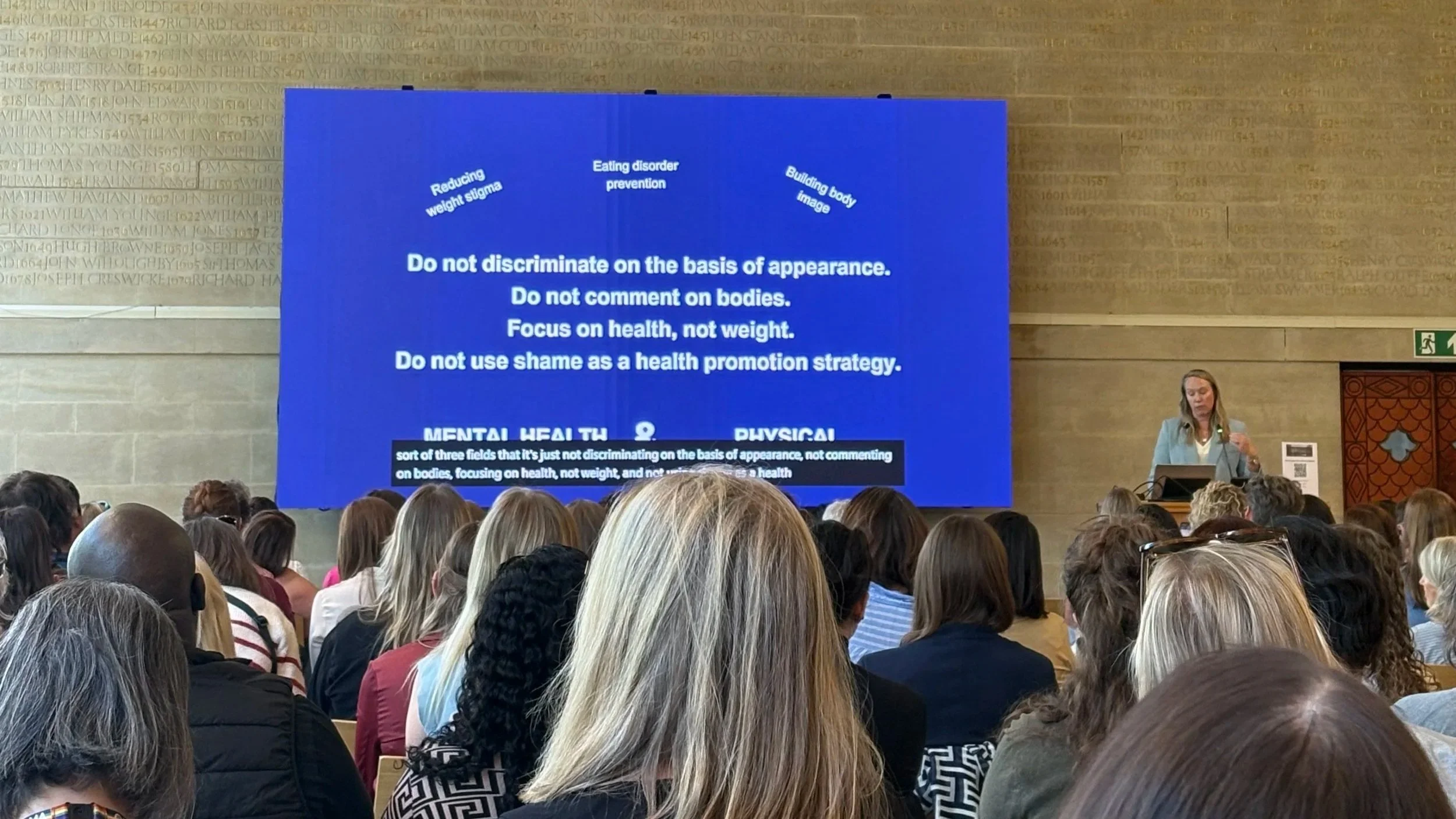
It was exciting to have the platform to discuss this issue, raise awareness and connect with other researchers in my field of study. However, in doing so it highlighted just how much work lies ahead of us before we can truly accept and appreciate the gender diverse people in our society. Despite the tireless efforts of other researchers, there are still gaps in our understanding of how their body image differs from that of cisgender people. This impacts gender diverse people’s experience in healthcare settings and in particular within mental health services, which imposes further barriers to successful treatment outcomes. Nonetheless, tackling the rising threat of transphobic discrimination will be crucial in improving their body image.
Hope for future generations
Outside of academic research, there are also efforts to improve the lives of gender diverse people in the UK. The Body Happy Schools Programme aims to encourage an awareness and appreciation of body diversity in young people, including the bodies of gender diverse people. It also aims to build young people’s sense of belonging in their school communities and their ability to advocate for themselves and each other, so they can call out injustices wherever they rear their heads. In this way, young gender diverse people can hopefully grow up in an environment which affirms their identity and helps make our country a safe place for a group of people who are currently incredibly vulnerable.
To finish off this piece, I want to highlight one of the findings from my research project and offer a little bit of advice that we can all use in daily life. The most significant contributor to lower gender congruence and negative body image was others failing to recognise or affirm a person’s gender identity.
“This means that small things like checking someone’s pronouns, using inclusive language or gently correcting someone when they get something wrong can help to create a supportive environment. Even if a gender diverse person isn’t present, putting this gender affirmation into practice normalises doing so among cisgender people. It won’t reverse the effects of systemic discrimination overnight, but if someone knows that you’re in their corner then they are much more likely to be able to appreciate their bodies and that can make all the difference. After all, body respect is not a me issue, it’s a we issue .”
Please also see below some links to resources on gender affirmation in your personal life and in the workplace:
TransHub’s page on gender affirmation
TransHub’s page on gender affirmation for employers
Fumble’s article on navigating the workplace as a trans+ person