
“I’ve found happiness”
How our community programme in Plymouth is changing the way people of all ages think about their bodies and each other.
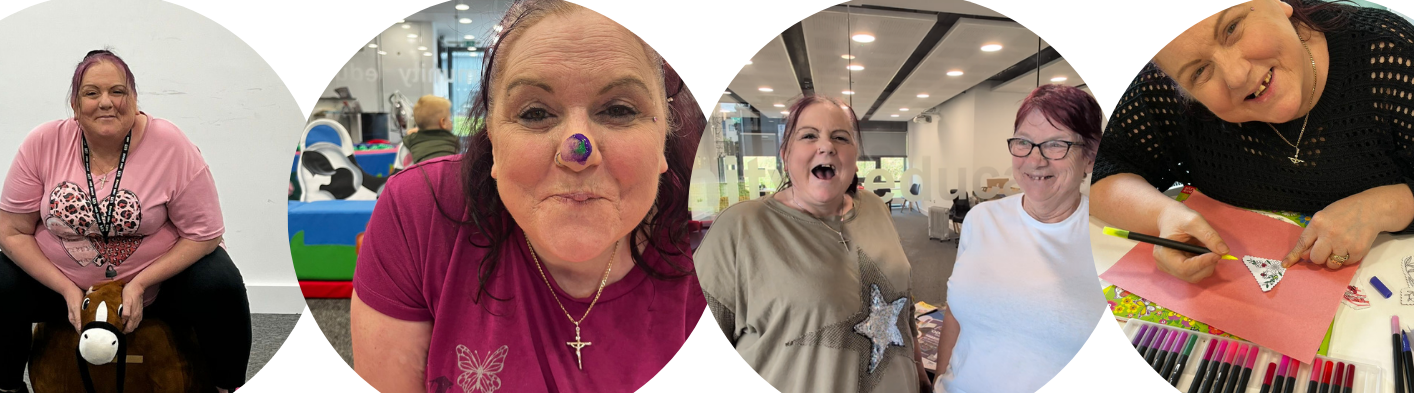
Meet Chrissy. Not too long ago she was in a coma. She joined the Body Happy Belonging project as a volunteer to help her recovery. Initially unsure about what to expect from a programme about body respect, she found a community that has changed her life.
"Coming to the group is now bringing me out of myself and I've found happiness,” Chrissy says. “I walk around like happy, happy, happy — and I'm even teaching people outside the Body Happy programme.”
Chrissy's story is one of the most striking illustrations of what Body Happy Belonging, our National Lottery Community Fund-supported programme, is quietly achieving in Plymouth. And it sets the tone of our recently published Block 1 Impact Report, which draws on volunteer surveys, participant feedback and in-depth interviews.
Bringing together people of all ages to build a community culture of body respect, the project explores how we feel about our own bodies and how we see, speak about and treat one another. It has engaged 35 people so far, aged 2–70, and is already creating ripples of change that are being felt beyond the walls of the Burrington Community Hub where it’s based.
Not just about bodies
When Chrissy first heard about the programme, she wasn't sure it was for her. She assumed it would be narrowly focused on body image. What she discovered was much much more.
“I thought maybe it was something to do with just bodies,” she says “I was a bit unsure whether this group's for me. But then I came and found that actually it's not just about bodies — it's about a whole range of things.”
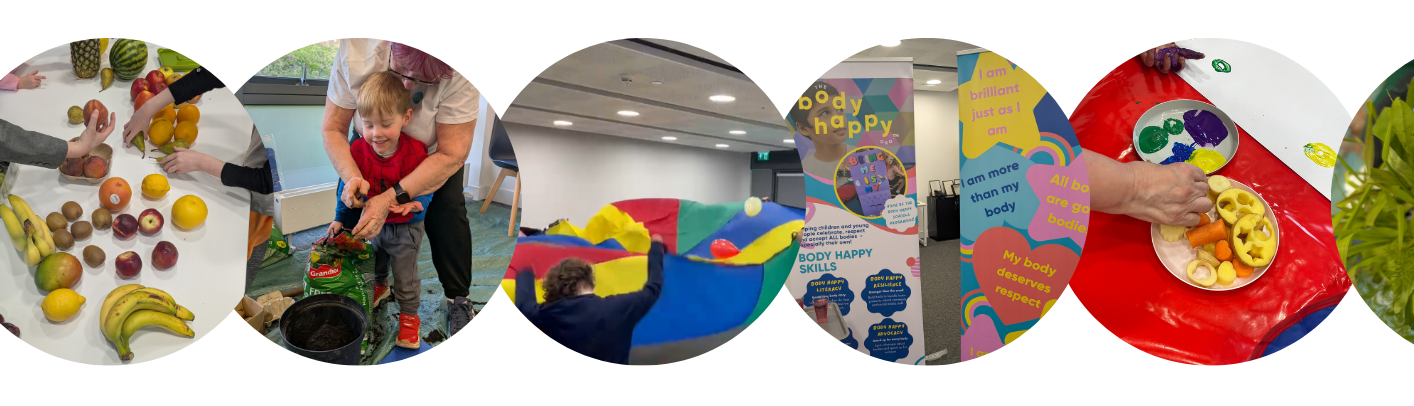
That hands-on, creative approach — cooking, gardening, craft, movement — is by design. Before a single session was delivered, the programme team spent two months listening to the community, attending existing activities at the Hub and hosting a co-design event. Every activity responds directly to what local people said they wanted.
The fact that the highest scoring sentiment in participant surveys was “I am learning useful things” is testament to that. And so is the finding that 70% of participants feel welcome - when asked to pick words that described how they'd felt since joining the programme “welcome" was the most chosen, followed closely by: comfortable, happy, accepted, inspired, included, confident, energised, safe, and calm.
These aren't just feel-good results. They point to the programme successfully creating a psychologically safe environment — one where people across all age groups feel they can show up, be themselves, and begin to grow.
Five generations
One of the most encouraging findings emerging so far is the depth of intergenerational connection the programme is generating. We know that body shame can often be the result of generational cycles of behaviour, which we at the Body Happy Org are striving to break.
Five generations of Chrissy’s family are now engaged with Body Happy Belonging — herself, her mum, her daughter, her granddaughter, her great-granddaughter and her three-year-old great-grandson. And we worked with her son as a peer advocate at his school last year! “If we can make these small changes now, my three-year-old-grandson will keep his confidence and carry that through. Catch them young and they'll follow that on for years to come.”
This intergenerational reach is exactly what the programme was designed to achieve. By connecting generations and reducing isolation, it aims to build a community culture of body respect that lasts — not just within the Hub, but across families and neighbourhoods.
“I thought I knew everything”
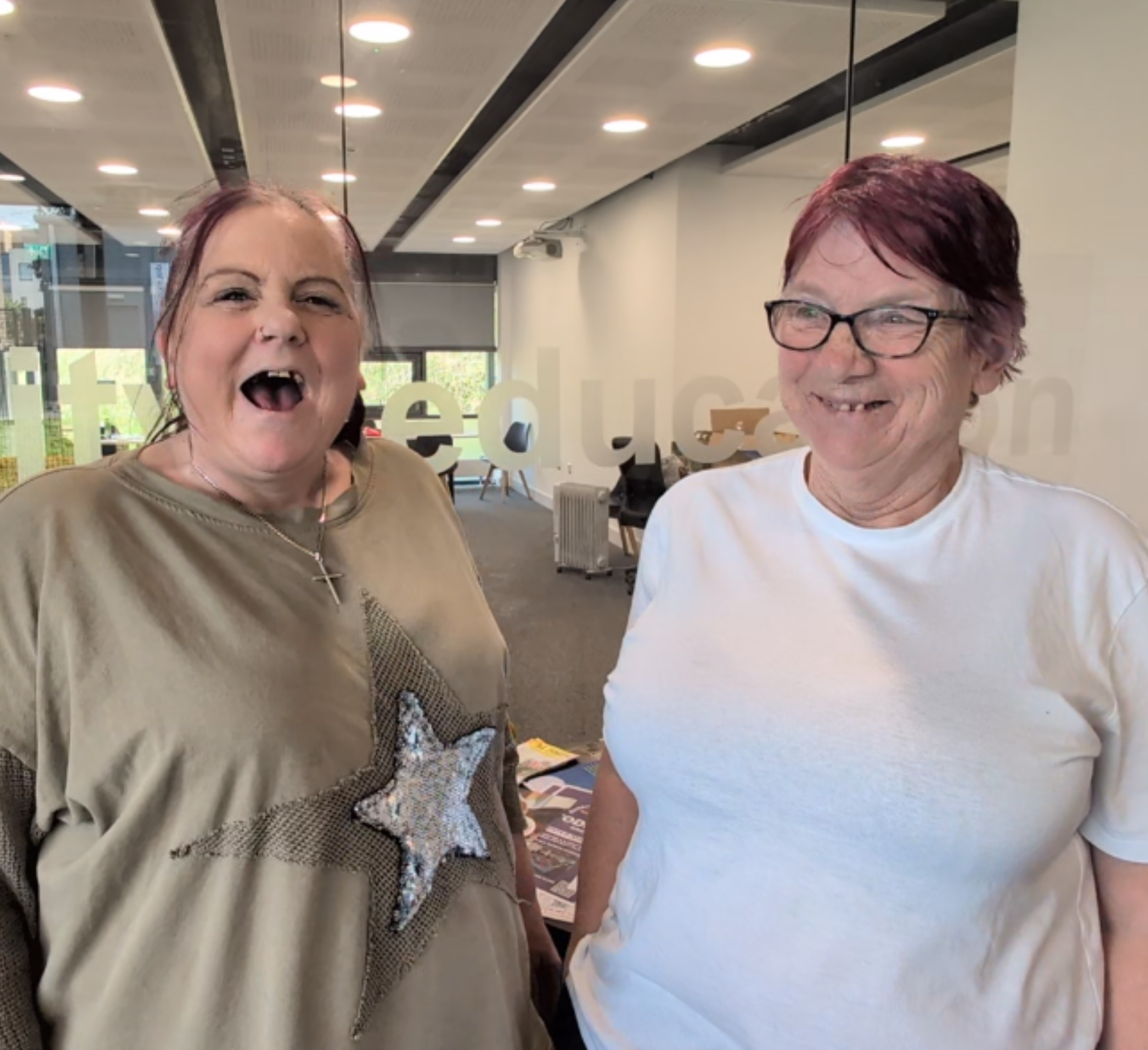
Sue, Chrissy’s mum (right), volunteered with the programme wanting to help children experiencing bullying. She arrived confident in her knowledge of children and young people but was surprised.
"I thought I knew everything,” she says. “I came to Body Happy and I'm learning things every week. I thought kids were just playing up, but then I never stopped and thought what each of those children is thinking and feeling.”
Sue is now actively spreading a positive mindset to people she encounters every day. “I could change somebody that’s not having such a good day into happier people — I do it outside [the Hub] as well."
In fact, 100% of volunteers felt confident to support body respect, and all said they were ready to act on their learning after the training workshop.
Just the beginning
Block 1 is only the opening chapter of a year-long programme. The full journey spans 30 sessions across seven blocks, taking participants from building connection and belonging through to advocacy, collective voice, and lasting community culture.
The one indicator with most room to grow — shifting how participants feel about their own bodies — is expected to deepen as the programme progresses. Personal change in body image is one of the deeper, longer-term outcomes the programme is working towards. What Block 1 has done is lay the foundations: trust, warmth, connection, and a team of committed volunteers already carrying the programme's values into their everyday lives.
For Chrissy, those foundations are already holding. She walks around "happy, happy, happy" — and she's making sure others feel it too.
