
Body respect, belonging and better wellbeing for young people
In collaboration with The Story Project
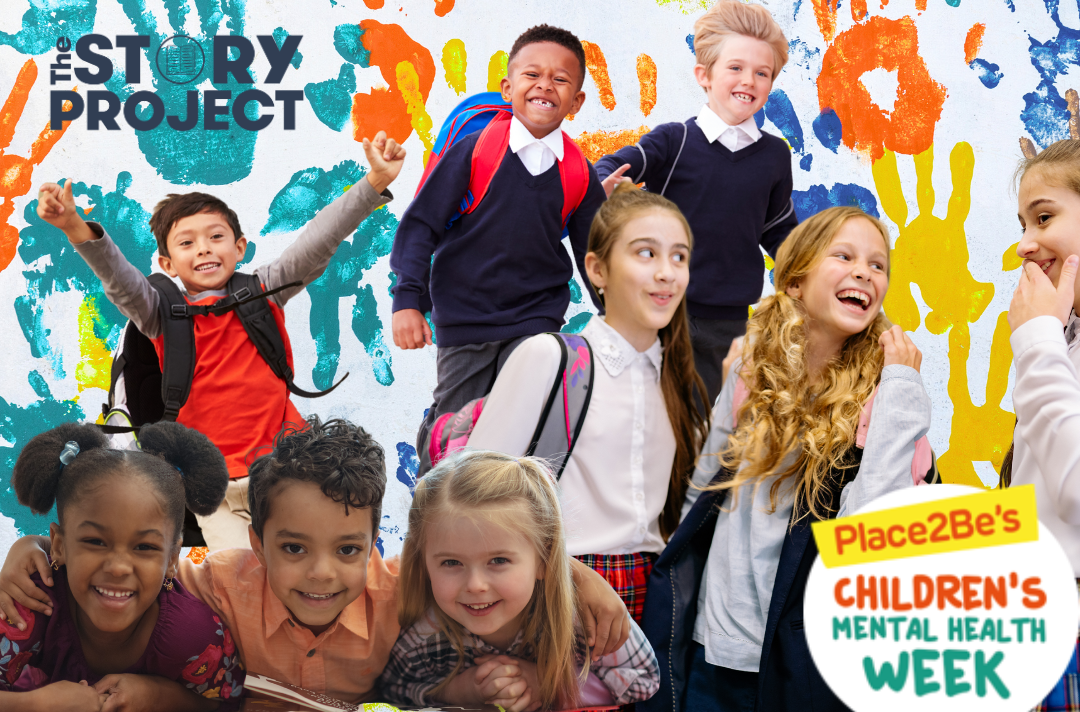
Our sense of belonging has a vital impact on health and wellbeing, whether that’s at home, school or within friendships – and body respect has a huge part to play. Which is why we’ve created new teaching resources, together with the Story Project, to mark Children’s Mental Health Week this week.
Belonging is a basic human need, just like food and shelter. Our dependence on it dates back to prehistoric times, when those belonging to a group had a higher survival rate in the face of enemies or other day-to-day challenges. And this hardwiring means it can still significantly affect our health – so much so that a lack of belonging can contribute to anxiety and depression.
In recognition of this, this year’s Children’s Mental Health Week is dedicated to helping families, schools and communities create inclusive and nurturing environments. The goal is improving physical and mental health, education, employment and relationship outcomes for young people.
Belonging means body respect
A big part of belonging means feeling safe and respected in your own body. But unfortunately many children and young people experience appearance pressures, weight stigma or harmful body talk, with 55% of children and young people report being bullied about the way they look. This can significantly impact their confidence and engagement in all aspects of life.
At the Body Happy Org, we want to change that for future generations. Through out Body Happy Schools Programme, we are working with schools to build classroom cultures of body respect, so everyone feels safe, welcome and included no matter what they look like.
Belonging at school
And it’s never been more important, as government research has shown that only three in five children feel a true sense of belonging at school, particularly those with SEND or from disadvantaged backgrounds. While the National Children’s Bureau has found strong links between inclusion and academic engagement and achievement, as well as self-esteem, mental health and overall wellbeing.
This could explain the unprecedented levels of mental health issues among pupils, rising absence figures and increasing inequality and disadvantage. And also why inclusion and wellbeing were key elements in the recent Curriculum and Assessment Review.
Change is coming
This all means that schools will be reviewing how their curriculum supports these areas in the coming months, which is obviously great news. To help primary school teachers cover the body respect elements of inclusion, the Body Happy Org and The Story Project have created some new resources.
Combining the expertise of both organisations, these use stories to support an understanding of body respect and its importance for our own wellbeing and that of those around us. You can download them here…..
